Showing posts with label wildlife. Show all posts

Tuesday, 14 April 2015

Not my cup of T: Music Festival threatens rare wildlife and ancient woodland

I love music. I love music festivals. But there is a time and a place to hold them.

That time is not setting up when rare ospreys are nesting and that place is not next to delicate ancient woodland filled with otters, red squirrels, kingfishers and bats. And yet that is exactly what T in the Park are doing.

Or planning on doing. They haven't actually got planning permission yet  but they are already selling tickets and have posters featuring Strathallan Castle. Strathallan Castle is the location, a place known for its heritage and stunning natural beauty. It gets this beauty from being such a wonderful site for nature. The music festival threatens to harm this forever.

Ospreys are a protected species. There are only 200 breeding pairs in the whole of Scotland.


It seems completely obvious to me that 85,000 people, all their litter, the very loud noise of the music and speakers, and the unnatural light is going to have a massive impact on local wildlife and disrupt their natural behaviour. The proposers of this deny any impacts and spout about mitigation. Many people on the internet too are raging about how it's nonsense that a music festival can have an impact. I simply cannot comprehend these beliefs.

Think about it, if you are trying to live normal everyday life next to a very loud several day long house party it's likely it would disrupt your routine. You would not be able to sleep or concentrate. I'm sure you wouldn't be too happy about all the empty bottles and other more disgusting things spilling onto your garden and ruining your plants either. And we understand what this noise is and that it will end. Wildlife have no such knowledge. Also, those of you with pets will know the terror that some go through when there are fireworks. These are domestic animals who are used to human activity and noise. So how will wild animals that have no experience of this react? I expect they will flee for their lives, or at the very least change their natural behaviour.

The ancient woodland will also likely suffer. Ancient woodland is defined as areas that have been continuously wooded since the 1600s. This does not mean they are full of ancient trees (trees within woods rarely live as long as those trees in open spaces). They sit upon preserved soils that have never been contaminated or disrupted by human activity. As a result they harbour unique biodiversity that cannot exist anywhere else. These ecosystems and networks have developed over centuries. Once these have been disturbed they are gone ... forever. Even centuries from now ancient woodland cannot ever recover to its previous 1600 natural state. As a result, the Woodland Trust are very concerned about the proposal and are fighting this threat every step of the way.

Almost all woods with bluebells in the UK are ancient woodland.


On top of the arrogance and disrespect of the landowners and DF Concerts as suggested above, there are other key issues:


  • A cherry picker consisting of a noisy crane, the Scottish flag, and hanging CDs was put right next to the resident osprey's nest before they returned. This nest sits within the location that T in the Park want to hold their festival. If the ospreys nest there, as a protected species they could prove to a be serious obstacle to permission being granted. So instead of taking their chances, they planned to 'gently encourage' them to use the new nest provided for them. Ospreys use the same nest for years and perfect it bit by bit (who doesn't love a bit of interior design?). They are unlikely to chose a new man-made nest. I see nothing 'gentle' about waving a giant Saltire next to their home which could scare them away from the area forever. RSPB were not happy about this.
  • Under EU law it is illegal to disturb protected species' breeding sites or the species themselves. I think the above activities could be argued to be a disturbance.
  • T in the Park has left everything very much to the last minute. They have 3 months until the festival, they don't have permission to hold it or prepare for it. They haven't properly finished preparing their plans including official ecological assessments and mitigation plans. Wildlife charities are also disagreeing with the ecologist being paid to support DF Concerts' application. 
  • Despite this lack of permission they have already begun preparing, including lopping trees and carving out future roads in the turf.
  • There are also rumours from locals of nets put up over kingfisher habitat and the blocking up of otter holes. More 'gentle encouragement'?
  • Why does a music festival need to be held next to woodland and a castle? People don't go to music festivals to see castles...
  • Whatever the plans, damaging or not, these actions are nothing but disrespect for process, disrespect to nature and a use of dirty tactics to get what they want.

The ospreys have now returned, and they chose their original nest despite the scaremongering. I fear for them and their future offspring if the festival goes ahead. I really hope, alongside many others, that it does not. It will be a disaster for the area, as it is not temporary, six weeks of massive disruption held every summer. 

If you agree that permission should not be granted and the festival should be held elsewhere, please send your thoughts to the consultation. The organisers and the Perth and Kinross Council need to realise it is not acceptable to treat the environment this way, especially when there are alternative locations. You can do this easily here, through the Woodland Trust website.

Wednesday, 7 January 2015

We should be in national uproar at the Infrastructure Bill ... where's the protest?

Something inside me just snapped.

I have finally been driven to anger by George Monbiot's latest article. He writes:


"As you read this, a monster of a bill is passing smoothly and quietly through Britain's parliament. It's so big and complex, and covers so many topics, that it makes a mockery of democracy. ... Bills like this are good places for burying bad news, and this one is a graveyard.' (my emphasis)


I have known about the Infrastructure Bill for months but nobody else seems to. Nothing appears to be happening. It sailed through the House of Lords with only minor changes from criticism that still do not reflect what needs to be done. It ignores the general public's views. And as Monbiot asks, why is Labour not doing anything? I have been involved with actions against the Bill as part of my role in my recent internship.  So yes, there is some work against it, working behind the scenes. A few trends on Twitter, unpublicised petitions and comments on Guardian articles.

But the Infrastructure Bill is possibly the biggest threat to the environment of our time in the UK!

But I'm hearing more about the ban on plastic bags in a distant land than I am about the threat on my doorstep. There should be public unrest and protest, MPs should be quaking in their boots in the wave of public opinion. Here's why:

  • The Bill poses a huge threat to Britain's wildlife. Firstly, it lists wild boar as 'not ordinarily resident' in the UK. At the last census there were 819 wild boar living in the Forest of Dean. Their population was first established in 2004. I fail to see how that's not 'ordinarily resident'. As a result, it would be even easier for wild boar to be culled or completely removed by government. The Bill also poses an issue for any reintroduced species that previously became extinct. So, for example, red kites and sea eagles that have been reintroduced (with thousands of pounds of charities' money and public support) could be removed. The beavers peacefully living in Devon would be gone too. It could also work to prevent any future reintroductions of previously resident species. What's worse, if other species (previously resident or not) begin to colonise in the UK naturally they would be controlled too. This is likely to happen with the effects of climate change as our weather gets warmer and other places become too warm.
  • And this is the climate change that the government, using the Infrastructure Bill, will only make worse. This is with the move to allow fracking. Whilst there is an uproar that I welcome on fracking, I fear that this is not being linked with the deceivingly named Infrastructure Bill which is being discussed now. By allowing the digging up of people's homes and fuelling the search for oil (instead of spending these resources on clean energy dare I say) they are acting against the Climate Change Act 2008. Our government is happy to go against democratic principles and against the law apparently. Fracking has been banned in some places in the USA, a country not exactly known for its consideration for the environment. The science behind fracking is very negative, fracking is polluting and dangerous. It is suggested that Defra has a report on fracking made almost unreadable by the amount of censorship. MPs have not seen this report. Censorship in a democracy? What is going on? Homes and habitats will be destroyed and emissions increased only for short term gain. This should not be acceptable.
  • The Infrastructure Bill could wreck what little remains of our forests. I know less about this then I should but here the Woodland Trust examines it in detail.

As someone who was working within an environmental NGO when the Infrastructure Bill emerged, I can tell you that it made NGOs fearful. They have the expertise to fight it but they do not have the public support and outcry to build upon. Not yet anyway, but there is time to bring a fight.

If you care about the environment, if you care about what happens to the people and wildlife in this country, if you care about democracy, I beg of you to join the fight to create the uproar about this that should be happening. Write to your local MPs, write to ministers, write to Defra, Facebook it, tweet it #BintheBill, petition them, protest, anything you can think of. Let us create an uproar worthy of our nature and our people.

Action


Here's some links to give you a head start:


UPDATE: The vote on the Infrastructure Bill went in favour of fracking. There were some promises on preventing fracking in national parks, and protected areas and preventing water contamination but David Cameron is trying to go back on those. It may have passed but the Bill is in the process of being amended by both houses. So pressure is still desperately needed to direct these amendments the right way and the above actions you can take still apply. Also, preventing the Conservatives from winning the election would prevent David Cameron going back on those promises ... Just sayin' 

Friday, 1 February 2013

Vote for Nature ... Help Farmers to Protect Wildlife

The European Union has to decide every seven years what to spend its money on.  A large part of this budget goes towards agriculture. This is a key area for promoting sustainability and protecting biodiversity. However, only a very small amount ends up contributing to nature friendly farming methods that will help the countryside to remain full of wildlife. One of my greatest joys in life is horse riding through the country, surrounded by animals of all kinds. To think that these animals may be harmed or killed due to a lack of funding and understanding from farmers, many of which are keen to protect wildlife, is upsetting. These animals have a right to life in the countryside and a right to food and habitats as much as we do so we should be helping to protect them. This funding is also one of the few sources that protects nature conservation sites in the UK.

Due to the current economic climate securing funding is a challenge. The RSPB are fighting to save the funds that support farmers who work to make space for nature as well as food production. We have to work together with nature as, after all, we are part of it ourselves. Help the RSPB by signing the petition to tell David Cameron to fight for nature.


If we don't work to protect nature then who will?

Sign Petition

Sunday, 14 October 2012

KillTheTrade


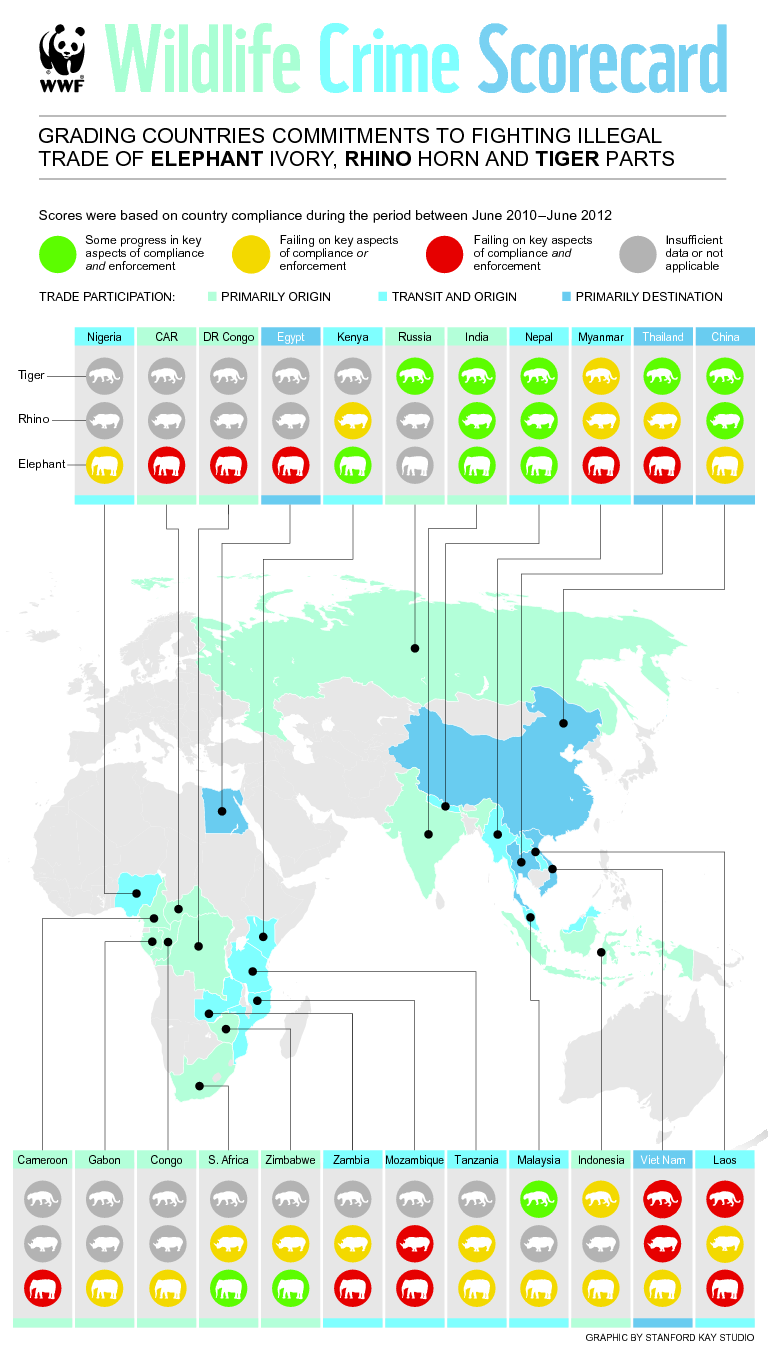
WWF are doing a campaign to stop poaching and wildlife trade of some of the most unique, beautiful, charismatic and intelligent animals in the world.

So far this year around 430 rhinos have been killed in South Africa. Thousands of elephants are killed just for their ivory. This could never be a justifiable reason for them to die. There are only as little as 3,200 wild tigers left. These are unacceptable facts that are only going to get worse if government action isn't taken. Please show your support and help WWF.

Show your support on Twitter or Facebook here

Find out more here


Tuesday, 4 September 2012

Save The Arctic


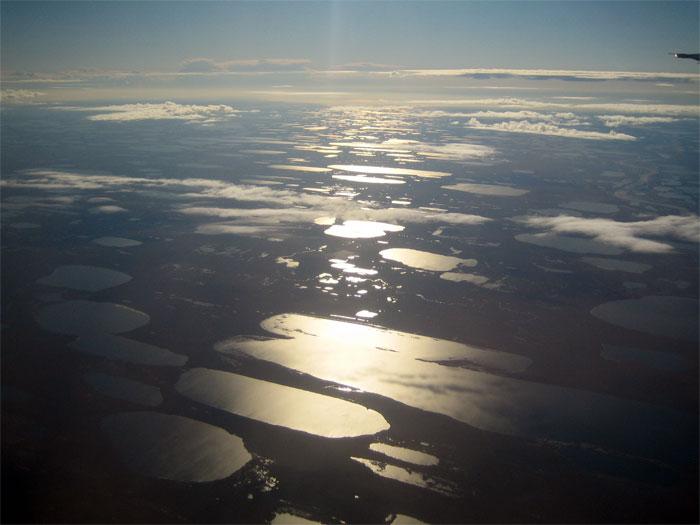
Please help Greenpeace in their current campaign Save The Arctic. The Arctic is vital to our planet and us. It will be even more difficult to combat climate change without it. On August 28th 2012, a new record for the amount of Arctic ice melt was announced and it has beaten the record three weeks before sea ice will reach its minimum extent this year. This shows that climate change is occurring for more rapidly than climate scientists predicted. This is possibly one of the most significant events of our lifetime and yet it was barely mentioned in the news and people continue to deny global warming is a serious problem. Just as George Monbiot writes (I have used information from his article in this post, link below at the bottom of this post) the date 28/08/2012 "marks the day when the world went raving mad."


There are 3 crucial reasons why we need to save the Arctic:


1.It is the home to many amazing species that exist in few other places in the world. It is also home for many people. We have no right to take this home from them just because we refuse to stop our reliance on fossil fuels.

2. Melting Arctic sea ice is going to increase the already rising sea level. Islands have already been lost, such as the Locahara Island that used to be near India. Low lying land will continue to be lost, for example Bangladesh, displacing thousands of people and species with it. These are major problems that the world's future governments will have to deal with. And those most affected are likely to be those with the least resources to manage the disaster.

3. The Arctic's survival is vital in helping us slow down global warming. The ice reflects the sun's light and sends it back into space. Where there is land without ice, far less light is reflected and it is instead caught by greenhouse gases, such as carbon dioxide, and contributes to heating the world's atmosphere. The more ice that melts the less sunlight is reflected back and the more heat is retained and therefore the more ice melts. Basically it's a downward spiral that we need to stop if we have any hope of combating further climate change.

Find out more about the campaign on the website Save The Arctic and please sign the petition, help us try to make a difference.

Also, check out George Monbiot's interesting article 'The Day the World went Mad'.